
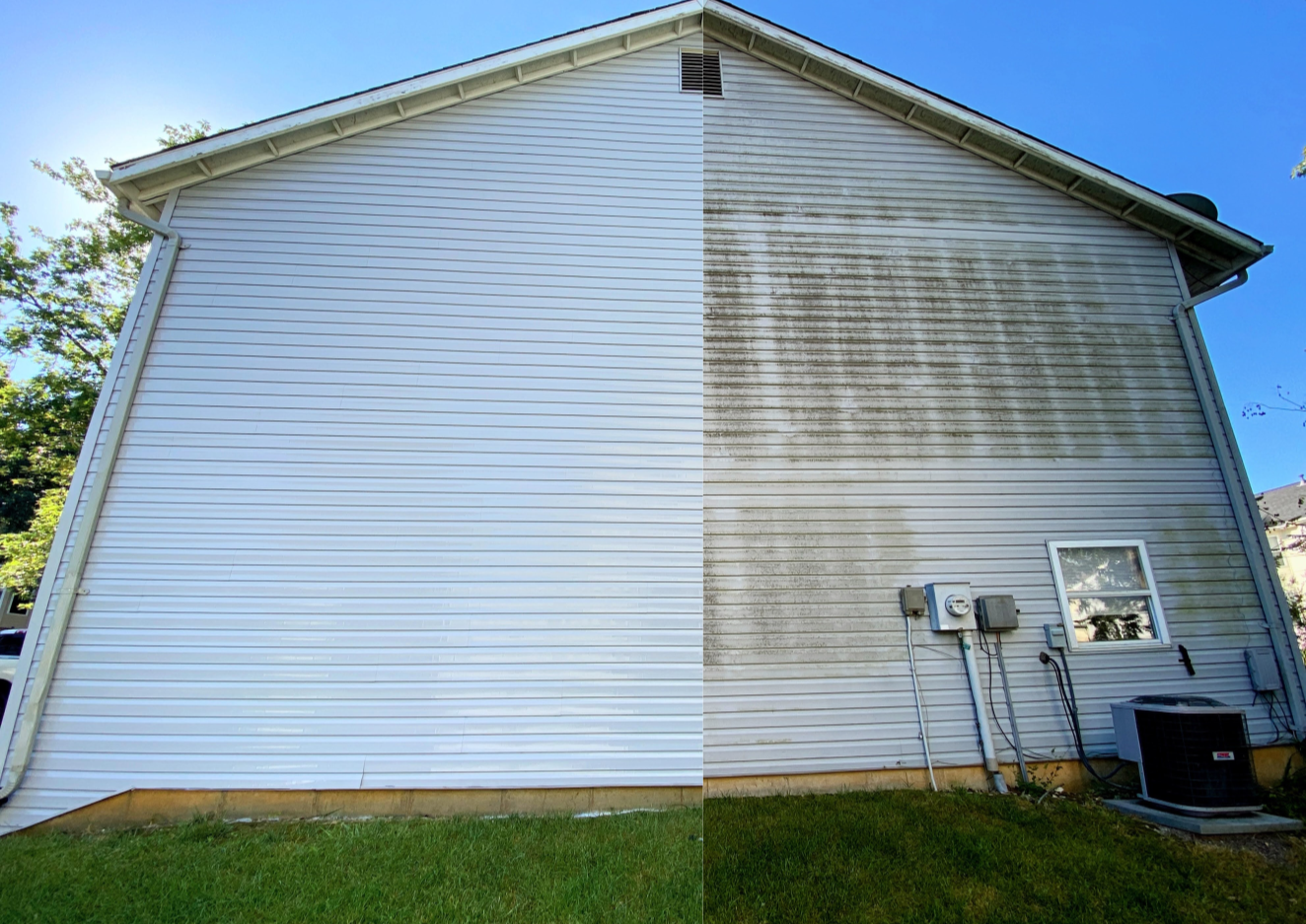
Professional Exterior Pressure Washing Services in Dallas TX
Powerful exterior building pressure washing that removes dirt, grime, mildew, and stains from your commercial property. Our adjustable pressure systems safely clean all exterior surfaces without damage.
Professional pressure washing restores the appearance of your commercial property while protecting exterior surfaces from damage caused by dirt, mildew, and environmental contaminants. Our adjustable pressure systems and eco-friendly cleaning solutions safely clean all types of exterior surfaces, from concrete and brick to siding and awnings.
Commercial Pressure Washing Services
The exterior appearance of your commercial property creates the first impression for customers, clients, and visitors. Over time, building facades accumulate dirt, pollution, mildew, and organic growth that diminish curb appeal and can actually damage surfaces if left untreated. Our commercial pressure washing services restore and protect your property investment.
We utilize professional-grade pressure washing equipment with adjustable pressure settings and both hot and cold water capabilities. This allows us to match the cleaning method to the specific surface being cleaned, ensuring effective results without damage to building materials, landscaping, or surrounding areas.
Building Facade and Surface Cleaning
Different building materials require different cleaning approaches. Brick and masonry may need soft washing with specialized solutions to remove organic growth without damaging mortar. Concrete surfaces can withstand higher pressure for deep cleaning. Vinyl and aluminum siding require careful pressure control to prevent water infiltration and surface damage.
Our technicians assess each surface type and condition before beginning work, selecting the appropriate pressure, temperature, and cleaning solutions for optimal results. We take care to protect windows, doors, landscaping, and outdoor fixtures during the cleaning process.
Sidewalk, Parking Lot, and Concrete Cleaning
Concrete surfaces including sidewalks, parking lots, loading docks, and dumpster pads benefit significantly from regular pressure washing. These high-traffic areas accumulate oil, grease, gum, and organic stains that create slip hazards and detract from property appearance. Our surface cleaning equipment can handle large areas efficiently while delivering uniform results.
We use surface cleaners that maintain consistent pressure and distance from the concrete, preventing the streaking and striping common with wand-style pressure washing. Hot water and degreasing agents break down oil and grease stains that cold water alone cannot remove.
Awning, Canopy, and Architectural Features
Awnings, canopies, and architectural details add character to commercial buildings but require specialized cleaning to maintain their appearance and extend their lifespan. We use low-pressure washing techniques and appropriate cleaning solutions for fabric, metal, and vinyl architectural elements. Our gentle approach removes dirt, mildew, and pollutants without damaging these features.
Frequently Asked Questions About Exterior Building Pressure Washing in Dallas
Do you service all areas of Dallas?
Yes, we provide commercial cleaning services throughout the entire Dallas-Fort Worth metroplex, including Dallas, Plano, Irving, Arlington, Frisco, and all surrounding areas.
Are your cleaning products eco-friendly?
Yes, we use eco-friendly products and environmentally responsible cleaning methods as our standard practice. Our green cleaning approach protects both your workplace and the environment.
Can you work after business hours?
Absolutely. We offer flexible scheduling including evenings, nights, and weekends to minimize disruption to your Dallas business operations.
Related Cleaning Services in Dallas
Warehouse Cleaning Services
Comprehensive warehouse cleaning services tailored for Dallas industrial facilities. From high-dust ...
Medical Facility Sanitization
Specialized medical facility sanitization services meeting strict healthcare standards. Our trained ...
Commercial Carpet Cleaning
Professional commercial carpet cleaning services that remove deep-seated dirt, stains, and allergens...
Ready for a Cleaner Facility in Dallas?
Contact us today to schedule your exterior building pressure washing service. Free estimates available for all Dallas area businesses.
Schedule Service Todayservices planning guide
How to plan exterior building pressure washing for a commercial facility in Dallas
Commercial Cleaning of Dallas uses the following planning framework to help property managers and business owners turn a request for commercial cleaning and janitorial service into a scope that can be walked, priced, scheduled, and checked. It is designed for practical comparison and does not replace site-specific safety, material, vendor, or regulatory requirements.
Define the Work Before Pricing It
Change orders are easier to avoid when the initial exterior building pressure washing proposal records current conditions. Photographs, floor-type notes, access limitations, and known buildup give both sides a shared baseline for deciding what belongs in startup work and what belongs in recurring maintenance. Before pricing exterior building pressure washing, document exclusions as carefully as inclusions. Exterior work, high access, consumable supplies, waste handling, specialty floor restoration, equipment interiors, and event cleanup can be scheduled correctly only when responsibility is explicit. A walkthrough for exterior building pressure washing is most productive when the decision-maker identifies the spaces that create complaints, the areas that carry the most traffic, and the tasks the current program misses. Those observations turn a generic checklist into a practical scope tied to the way the property is actually used. The strongest exterior building pressure washing plan names measurable outcomes rather than relying on broad phrases such as “keep it clean.” Examples include streak-free entry glass, stocked and odor-controlled restrooms, debris-free floor edges, sanitized touchpoints, and completion before a stated opening time.
Build the Schedule Around Operations
A dependable plan includes a method for reporting schedule changes. The facility contact should know whom to notify, how much lead time is needed, and how missed or added visits affect the monthly program before an urgent request arises. Scheduling should be built around operating hours and risk, not around the cleaning company’s convenience. Some commercial facility environments need a complete after-hours reset, while others benefit from daytime attention to entrances, restrooms, spills, or high-traffic common areas. Daytime and after-hours service solve different operational problems. Day porter coverage manages visible conditions while people are present; after-hours crews complete disruptive or time-intensive tasks when work areas can be accessed safely and thoroughly. For Dallas–Fort Worth properties, travel windows and building access can materially affect the usable service period. A realistic schedule accounts for security handoffs and operating deadlines rather than promising a start time that leaves too little time to finish.
Make Quality Control Observable
Useful performance conversations separate an isolated miss from a recurring process failure. One unemptied bin requires correction; repeated misses in the same wing may indicate unclear zoning, inadequate time, or a checklist that does not match the building. Quality control works best when it is tied to the site-specific scope. A supervisor can inspect completion against named rooms and outcomes, record exceptions, assign corrections, and identify patterns that require a change in staffing, tools, or frequency. The account review should examine service requests, inspection findings, occupancy changes, supply use, and upcoming facility events. That review keeps the program aligned with the property instead of allowing an old scope to continue after the building changes. Before-and-after documentation is especially valuable for one-time or restorative exterior building pressure washing. It establishes the starting condition, records the completed result, and helps the facility manager decide whether a recurring maintenance cycle would prevent the same buildup.
Match Methods to Materials and Risk
Dwell time and physical removal are central to effective cleaning. A product cannot perform as intended if it is wiped away immediately, and loosened soil still needs to be removed with clean tools rather than redistributed across the surface. Consumable supplies deserve their own responsibility list. Soap, paper products, liners, dispensers, batteries, air fresheners, and specialty items may be client supplied, contractor supplied, or billed separately, but the agreement should not leave that question open. For sensitive or newly installed materials, a small test area can prevent expensive mistakes. The service plan should identify who approves the test result before broader cleaning or restoration proceeds. Surface identification matters because a process that works on one material can damage another. Before exterior building pressure washing, confirm flooring, stone, coated metal, glass treatments, upholstery, painted surfaces, and manufacturer restrictions that affect chemistry or agitation.
Use the Walkthrough to Build the Scope
Bring a current floor plan, operating schedule, and list of known problem areas to the walkthrough. These details help Commercial Cleaning of Dallas organize exterior building pressure washing around actual conditions instead of estimating from square footage and a short phone description. Access and safety constraints should be demonstrated, not merely mentioned. Alarm panels, loading doors, restricted areas, waste points, water access, electrical access, and equipment storage can change the labor plan materially. For larger properties, divide the walkthrough into zones and record the floor type, use, occupancy, and desired frequency for each. This produces a proposal that can be adjusted by zone without rewriting the entire program. The walkthrough should follow the facility’s traffic pattern from entrances through work areas, restrooms, support rooms, and exits. This reveals where soil enters, where it concentrates, and which tasks must be completed in a particular order.
Put the Service Agreement in Writing
Cancellation, renewal, and notice terms deserve the same attention as the cleaning checklist. A facility manager comparing proposals should understand the initial term, renewal method, price-review process, and the notice required to change or end service. Insurance and vendor-document requirements should be confirmed during proposal review rather than after award. If the property requires a certificate, additional insured wording, vendor portal registration, or special access documentation, those steps can affect the startup date. The agreement should explain how additional work is approved. Emergency cleanup, event service, construction dust, floor restoration, and extra porter coverage should not be performed or billed through an informal request that no one can later verify. A commercial cleaning agreement should attach or reproduce the approved scope, frequency, service window, periodic task calendar, supply responsibilities, access rules, and communication contacts. The written detail protects both the property and the service team.
Plan for Dallas Facility Conditions
Heat and air-conditioning runtime can increase dust movement through vents, ledges, high surfaces, and return-air zones. Periodic detail work should be scheduled before accumulation becomes visible or begins cycling back into occupied areas. DFW traffic makes realistic arrival windows important, especially when a crew must meet security or elevator access at a fixed time. The plan should protect enough on-site time to complete the work rather than compressing the scope after a delayed handoff. A local service plan should account for the property’s immediate environment. Construction nearby, open parking, landscaping, loading activity, and pedestrian traffic can change how quickly dust and debris return after a visit. Fast regional growth creates frequent move-ins, renovations, tenant turnovers, and occupancy changes. The cleaning scope should be reviewed when a property changes use instead of assuming the previous tenant’s schedule remains appropriate.
Compare Providers on More Than Price
The final decision should align service frequency with the facility’s real use. Buying fewer visits than the property needs creates visible decline; buying unnecessary frequency wastes budget that could be directed to periodic or high-priority work. Review the proposal for vague language. Terms such as “as needed,” “regularly,” and “periodically” should be converted into frequencies, triggers, or approval rules before the agreement is signed. Evaluate communication alongside cleaning technique. A facility manager needs timely updates, a named account contact, documented service requests, and a reliable process for resolving issues without repeatedly explaining the account. When comparing exterior building pressure washing proposals, normalize the scope before comparing price. A lower monthly number may exclude periodic work, supplies, supervision, floor care, or enough labor to complete the stated checklist.
Start, Measure, and Adjust the Program
A stable program still needs review after renovations, staffing growth, seasonal traffic, operating-hour changes, or new equipment. Each change can alter soil load, access, or the time available for exterior building pressure washing. After the first service cycle, compare actual labor and facility condition with the proposal assumptions. If the original scope was inaccurate, adjust it openly rather than expecting quality to survive an unrealistic workload. Periodic tasks should be placed on a calendar at startup. Floor work, carpet extraction, glass detailing, vent cleaning, high dusting, pressure cleaning, and other rotating services are easier to budget when dates are planned. The first visit should not be treated as an ordinary maintenance visit when buildup already exists. Startup cleaning establishes a maintainable baseline and gives the crew a realistic view of the time required for future service.
Bring to the walkthrough
- Approximate square footage, floor plan, and operating hours
- Current frequency, known complaints, and priority areas
- Flooring and surface notes, restricted rooms, and access rules
- Desired start date, budget constraints, and approval contacts
Expect in a written proposal
- Task scope by zone and visit frequency
- Service windows, periodic work, and supply responsibility
- Quality checks, communication, and correction procedures
- Pricing assumptions, exclusions, and change-order rules