Commercial Grade Cleaning Equipment Rentals in Dallas TX
Access professional-grade cleaning equipment for your Dallas commercial facility. From floor scrubbers to carpet extractors, we provide well-maintained equipment rentals with training and support.
Access to professional-grade cleaning equipment can transform your facility maintenance capabilities without the capital investment of equipment ownership. Our equipment rental program provides well-maintained, commercial-grade cleaning machines with training and support, allowing you to achieve professional cleaning results on your schedule.
Floor Scrubbers and Buffers
Commercial floor scrubbers provide deep cleaning power that manual mopping cannot match. Our rental fleet includes walk-behind and ride-on scrubbers suitable for facilities of all sizes. These machines scrub, rinse, and dry floors in a single pass, dramatically reducing cleaning time while delivering superior results.
We provide training on proper operation, maintenance, and safety protocols for all rental equipment. Our team ensures that your staff understands how to achieve optimal results while protecting both the equipment and your floors. We can provide equipment for one-time deep cleaning projects or ongoing rental agreements for regular maintenance.
Carpet Extractors and Cleaners
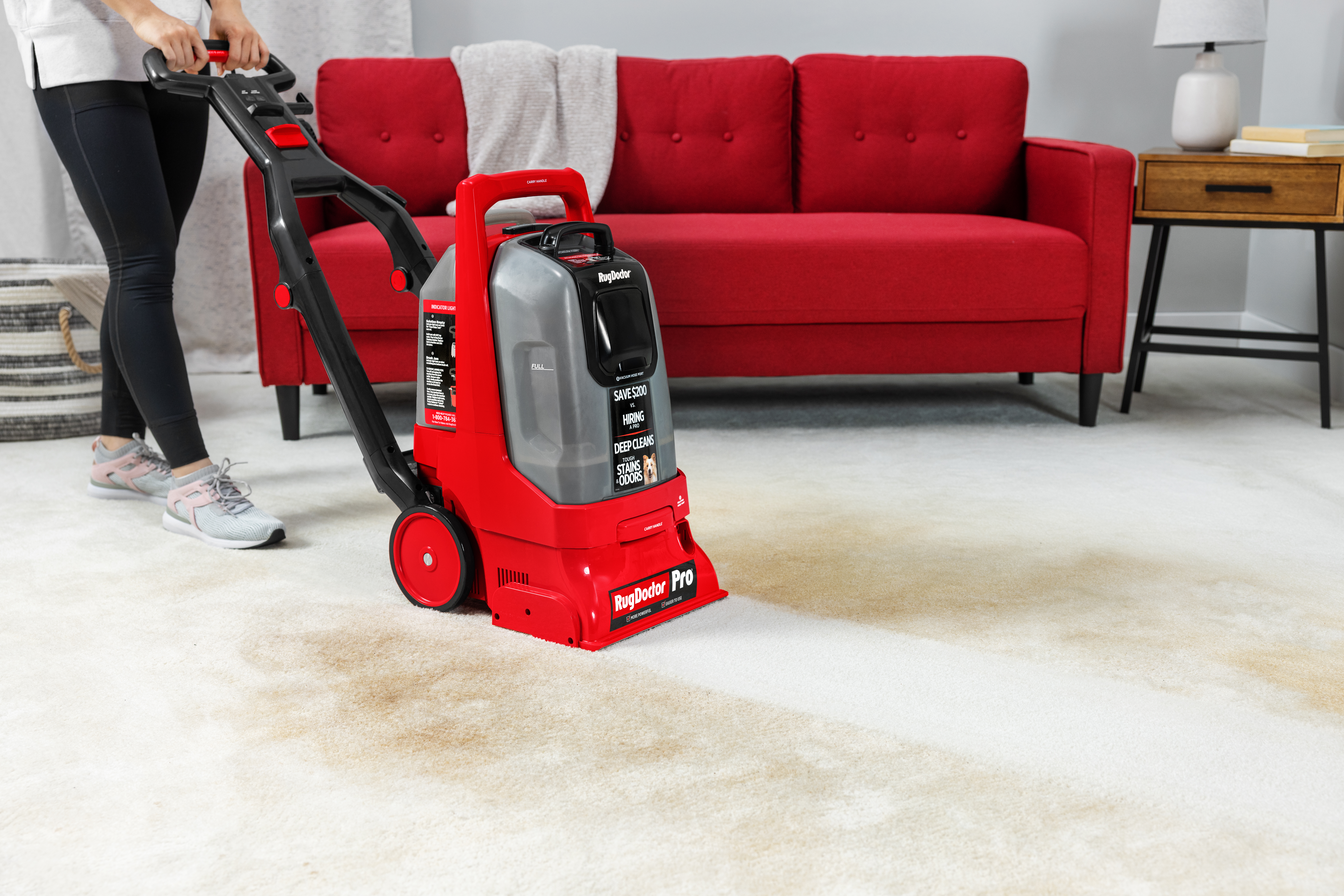
Professional carpet extractors deliver deep cleaning results that extend carpet life and improve indoor air quality. Our rental carpet cleaning equipment includes portable extractors for spot cleaning and truck-mounted systems for comprehensive carpet cleaning. These machines inject cleaning solution deep into carpet fibers and extract soil and moisture effectively.
We provide training on proper solution mixing, extraction techniques, and drying procedures. Our team helps you select the appropriate equipment for your carpet type and soiling conditions, ensuring that you achieve professional results while protecting your carpet investment.
Pressure Washers and Steam Cleaners
Pressure washers provide powerful cleaning for exterior surfaces, loading docks, and industrial areas. Our rental fleet includes both hot and cold water pressure washers with adjustable pressure settings for different surface types. We also offer steam cleaners for sanitization and deep cleaning applications.
Our pressure washer rentals include appropriate nozzles, hoses, and accessories for your specific cleaning needs. We provide training on pressure adjustment, surface protection, and safety protocols to ensure effective, safe operation.
Wet/Dry Vacuums and Specialty Equipment
Commercial wet/dry vacuums handle both liquid spills and dry debris, making them essential for many facility maintenance tasks. Our rental program includes various sizes from portable units to large-capacity industrial vacuums. We also offer specialty equipment including high-reach dusting systems, floor burnishers, and window cleaning equipment.
We help you select the right equipment for your specific needs, whether you require a single machine for a specific project or multiple pieces for comprehensive facility maintenance. Our flexible rental terms accommodate both short-term projects and ongoing equipment needs.
Equipment Maintenance and Support
All rental equipment is maintained to the highest standards and inspected before each rental. We provide replacement equipment if issues arise and offer technical support to help troubleshoot any operational questions. Our goal is to ensure that equipment rental enhances your cleaning capabilities without creating maintenance burdens.
Frequently Asked Questions About Specialized Cleaning Equipment Rental in Dallas
Do you service all areas of Dallas?
Yes, we provide commercial cleaning services throughout the entire Dallas-Fort Worth metroplex, including Dallas, Plano, Irving, Arlington, Frisco, and all surrounding areas.
Are your cleaning products eco-friendly?
Yes, we use eco-friendly products and environmentally responsible cleaning methods as our standard practice. Our green cleaning approach protects both your workplace and the environment.
Can you work after business hours?
Absolutely. We offer flexible scheduling including evenings, nights, and weekends to minimize disruption to your Dallas business operations.
Related Cleaning Services in Dallas
Warehouse Cleaning Services
Comprehensive warehouse cleaning services tailored for Dallas industrial facilities. From high-dust ...
Medical Facility Sanitization
Specialized medical facility sanitization services meeting strict healthcare standards. Our trained ...
Commercial Carpet Cleaning
Professional commercial carpet cleaning services that remove deep-seated dirt, stains, and allergens...
Ready for a Cleaner Facility in Dallas?
Contact us today to schedule your specialized cleaning equipment rental service. Free estimates available for all Dallas area businesses.
Schedule Service Todayservices planning guide
How to plan specialized cleaning equipment rental for a commercial facility in Dallas
Commercial Cleaning of Dallas uses the following planning framework to help property managers and business owners turn a request for commercial cleaning and janitorial service into a scope that can be walked, priced, scheduled, and checked. It is designed for practical comparison and does not replace site-specific safety, material, vendor, or regulatory requirements.
Define the Work Before Pricing It
Before pricing specialized cleaning equipment rental, document exclusions as carefully as inclusions. Exterior work, high access, consumable supplies, waste handling, specialty floor restoration, equipment interiors, and event cleanup can be scheduled correctly only when responsibility is explicit. Square footage alone does not define the effort required for specialized cleaning equipment rental. Occupancy, floor materials, restroom count, food or production activity, security procedures, furniture density, and the time available between closing and reopening all affect labor and equipment planning. Change orders are easier to avoid when the initial specialized cleaning equipment rental proposal records current conditions. Photographs, floor-type notes, access limitations, and known buildup give both sides a shared baseline for deciding what belongs in startup work and what belongs in recurring maintenance. For multi-tenant or mixed-use properties, specialized cleaning equipment rental should be divided by responsibility zone. Common areas, tenant suites, back-of-house spaces, loading areas, public restrooms, and restricted rooms can then receive schedules and approval rules that match their actual use.
Build the Schedule Around Operations
Scheduling should be built around operating hours and risk, not around the cleaning company’s convenience. Some commercial facility environments need a complete after-hours reset, while others benefit from daytime attention to entrances, restrooms, spills, or high-traffic common areas. A nightly, daily, weekly, or project schedule changes more than visit frequency. It changes how much soil accumulates between visits, which tools are appropriate, how long each visit takes, and whether periodic deep work must be layered into the agreement. Facilities with irregular occupancy should use a flexible service calendar. Seasonal traffic, events, construction phases, tenant move-ins, inventory cycles, and weather can all create temporary cleaning demand that a rigid schedule will miss. Daytime and after-hours service solve different operational problems. Day porter coverage manages visible conditions while people are present; after-hours crews complete disruptive or time-intensive tasks when work areas can be accessed safely and thoroughly.
Make Quality Control Observable
Quality control works best when it is tied to the site-specific scope. A supervisor can inspect completion against named rooms and outcomes, record exceptions, assign corrections, and identify patterns that require a change in staffing, tools, or frequency. A single complaint channel prevents service issues from disappearing between building occupants, property management, and the cleaning crew. Requests should be logged with the location, task, urgency, and desired completion time so the response can be verified. The account review should examine service requests, inspection findings, occupancy changes, supply use, and upcoming facility events. That review keeps the program aligned with the property instead of allowing an old scope to continue after the building changes. A quality program should explain how corrections are handled. The facility contact needs a clear response path, a reasonable correction window, and confirmation when the issue is closed rather than a vague assurance that someone will look into it.
Match Methods to Materials and Risk
For sensitive or newly installed materials, a small test area can prevent expensive mistakes. The service plan should identify who approves the test result before broader cleaning or restoration proceeds. Surface identification matters because a process that works on one material can damage another. Before specialized cleaning equipment rental, confirm flooring, stone, coated metal, glass treatments, upholstery, painted surfaces, and manufacturer restrictions that affect chemistry or agitation. Product selection should match the task and the occupied environment. Cleaning, degreasing, disinfecting, descaling, and finishing are different functions; using one product for every surface can leave residue, reduce effectiveness, or shorten asset life. Equipment should be selected for the facility rather than for convenience. HEPA filtration, low-moisture extraction, auto-scrubbing, water-fed poles, pressure equipment, or detail tools may be appropriate depending on access, surface, soil, and reopening time.
Use the Walkthrough to Build the Scope
Access and safety constraints should be demonstrated, not merely mentioned. Alarm panels, loading doors, restricted areas, waste points, water access, electrical access, and equipment storage can change the labor plan materially. A useful walkthrough ends with next steps: who will receive the written scope, who can approve revisions, whether a second technical visit is required, and what information is still needed before pricing is final. Bring a current floor plan, operating schedule, and list of known problem areas to the walkthrough. These details help Commercial Cleaning of Dallas organize specialized cleaning equipment rental around actual conditions instead of estimating from square footage and a short phone description. If the requested specialized cleaning equipment rental includes restorative work, identify the difference between a first-service reset and ongoing maintenance. Startup work may require additional labor that should not be hidden inside the recurring visit price.
Put the Service Agreement in Writing
A structured startup period gives both sides a chance to refine the scope. Early inspections and a scheduled review after the first few visits can resolve workload assumptions before they become embedded in a long-term program. Service-level expectations should be realistic and observable. A promise of “perfect cleaning” is less useful than response times, inspection routines, named completion outcomes, and an escalation process for repeated deficiencies. Insurance and vendor-document requirements should be confirmed during proposal review rather than after award. If the property requires a certificate, additional insured wording, vendor portal registration, or special access documentation, those steps can affect the startup date. The agreement should explain how additional work is approved. Emergency cleanup, event service, construction dust, floor restoration, and extra porter coverage should not be performed or billed through an informal request that no one can later verify.
Plan for Dallas Facility Conditions
A local service plan should account for the property’s immediate environment. Construction nearby, open parking, landscaping, loading activity, and pedestrian traffic can change how quickly dust and debris return after a visit. Storm seasons can create short-notice needs around entrances, exterior glass, tracked moisture, construction material, and debris. A recurring account should know how to request work outside the normal scope and whether priority response is available. Properties across Dallas–Fort Worth vary widely in access, occupancy, and operating schedule. A downtown office, suburban medical suite, industrial building, retail center, and hospitality property should not receive the same labor plan simply because their square footage is similar. Heat and air-conditioning runtime can increase dust movement through vents, ledges, high surfaces, and return-air zones. Periodic detail work should be scheduled before accumulation becomes visible or begins cycling back into occupied areas.
Compare Providers on More Than Price
Review the proposal for vague language. Terms such as “as needed,” “regularly,” and “periodically” should be converted into frequencies, triggers, or approval rules before the agreement is signed. References are most useful when the compared account resembles the property in size, use, and schedule. A successful small office account does not by itself demonstrate the systems needed for a large, high-traffic, or specialized facility. Ask each provider to explain staffing assumptions, visit length, supervision, equipment, and the process for covering absences. The answer reveals whether the proposal is an operating plan or simply a price attached to a task list. When comparing specialized cleaning equipment rental proposals, normalize the scope before comparing price. A lower monthly number may exclude periodic work, supplies, supervision, floor care, or enough labor to complete the stated checklist.
Start, Measure, and Adjust the Program
Task sequencing affects results. High dusting should precede lower-surface cleaning, dry soil removal should precede wet work, and areas with restricted reopening times should be completed early enough to dry or ventilate. Periodic tasks should be placed on a calendar at startup. Floor work, carpet extraction, glass detailing, vent cleaning, high dusting, pressure cleaning, and other rotating services are easier to budget when dates are planned. Crew orientation should cover the approved scope, building access, material cautions, waste handling, supply storage, security, and the communication path for exceptions. Written information is more dependable than verbal instructions passed between shifts. A stable program still needs review after renovations, staffing growth, seasonal traffic, operating-hour changes, or new equipment. Each change can alter soil load, access, or the time available for specialized cleaning equipment rental.
Bring to the walkthrough
- Approximate square footage, floor plan, and operating hours
- Current frequency, known complaints, and priority areas
- Flooring and surface notes, restricted rooms, and access rules
- Desired start date, budget constraints, and approval contacts
Expect in a written proposal
- Task scope by zone and visit frequency
- Service windows, periodic work, and supply responsibility
- Quality checks, communication, and correction procedures
- Pricing assumptions, exclusions, and change-order rules